allisles.com
Nassau
allisles.com
Nassau

Nassau: Complete Caribbean Travel Guide
Visa Free
Last updated:
Quick Facts
- Visa Required: No (visa free for most nationalities)
- Currency: Bahamian dollar (BSD)
- Language: English
- Best Months: November through April
- Average Temperature: 27°C (81°F)
- Airport: Lynden Pindling International Airport (NAS)
- Population: 274,000
- Area: 207 km²
- Timezone: America/Nassau
Nassau Overview: the Heart of the the Bahamas
Nassau serves as the capital and largest city of The The Bahamas. Located at coordinates 25.0479, -77.3554, this island covers 207 square kilometers and hosts over 274,000 residents. English is the official language, making travel straightforward for most visitors. The Bahamian dollar is the local currency, though US dollars work everywhere too.
This Nassau overview reveals a destination offering more than just beaches. The city blends colonial history with modern tourism infrastructure. Colorful buildings line downtown streets alongside food-restaurants and shops. Water sports enthusiasts find world-class diving sites. Families discover theme parks and cultural attractions. Couples enjoy romantic beachfront dinners. Solo travelers connect with friendly locals and other visitors easily.
Nassau functions as the transportation hub for The The Bahamas. Lynden Pindling International Airport handles most arrivals. Direct flights connect Nassau to major US cities, Canada, and Europe. The island's central location makes it ideal for exploring other Bahamian islands too.
Why Visit Nassau

Best forall travelersfirst-time visitors to The The Bahamas
Nassau attracts millions of visitors annually for valid reasons. The island delivers reliable sunshine, warm waters, and friendly people. Travel here requires no visa for most nationalities. The official tourism entry requirements are straightforward. Most tourists clear immigration easily within minutes.
Water activities dominate Nassau's appeal. The The Bahamas features exceptional scuba diving opportunities. Coral reefs sit close to shore, perfect for all skill levels. Snorkeling works wonderfully for non-divers. Swimming, paddleboarding, and jet skiing fill active days. Beach time requires minimal effort, with numerous public access points available.
Cultural experiences set Nassau apart from simple beach destinations. The Junkanoo Festival showcases Bahamian culture through parades, music, and costumes. Local markets sell fresh tropical fruits and handmade crafts. Museums explain 300 years of island history. Colonial architecture in Nassau's downtown reflects British heritage. The Nassau Straw Market offers authentic souvenirs and local goods.
Dining in Nassau ranges from casual beach shacks to upscale restaurants. Fresh conch salad appears on most menus. Bahamian staples include cracked conch and rock lobster. International cuisine satisfies diverse palates. Street food vendors offer quick, affordable meals. Restaurant prices vary widely based on location and cuisine type.
PRO TIP: Visit the Nassau Straw Market early in the morning before cruise ship crowds arrive. You'll find better prices and authentic conversations with local vendors.
Nassau for Families
Best forfamilies with young childrenmulti-generational groups
Families find Nassau remarkably welcoming and safe. The island offers attractions for every age group. Young children enjoy beach time, easy snorkeling, and relaxed pacing. Teenagers appreciate water sports, island exploration, and shopping. Parents appreciate the English-speaking environment and familiar infrastructure.
Atlantis Resort on Paradise Island dominates family entertainment. This massive resort complex features water parks, aquariums, and marine habitats. Day passes allow non-guests to access attractions. The Aquaventure Park has slides, pools, and lazy rivers. The Atlantis Marine Habitat shows dolphins, rays, and tropical fish.
Beach days work perfectly for family bonding. Cable Beach stretches for miles with calm water suitable for swimming. Paradise Island Beach appeals to families seeking resort amenities. Blue Lagoon Island offers secluded beaches and clear water perfect for snorkeling. Public beaches like Junkanoo Beach cost nothing and welcome families warmly.
The The Bahamas Junkanoo Museum teaches children about local traditions. Small museums scattered throughout Nassau explain island history simply. The Nassau Public Library sometimes hosts family activities. Local guides offer boat tours suitable for all ages. Swimming with dolphins experiences available through multiple operators appeal strongly to children.
Family dining works easily throughout Nassau. Casual restaurants welcome children happily. Many establishments offer high chairs and kids' menus. Bahamian food tastes good to most families. Fresh fruit and seafood provide healthy options. Casual beach shacks offer pizza and burgers for picky eaters.
PRO TIP: Pack reef-safe sunscreen. The The Bahamas protects its coral reefs, and many beaches discourage chemical sunscreens. Bring items from home if you prefer specific brands.
Family Beaches in Nassau
- Cable Beach: Three miles of sandy shore, calm water, beach bars
- Paradise Island Beach: Resort amenities, clear shallow water, family-friendly atmosphere
- Junkanoo Beach: Free public access, local community, authentic vibes
- Blue Lagoon Island: Secluded setting, excellent snorkeling, water sports rentals
Nassau for Couples

Best forromantic getawayshoneymoonersanniversary celebrations
Couples discover numerous romantic opportunities in Nassau. The island delivers sunset walks on empty beaches, intimate dinners, and water adventures together. English-speaking staff and easy navigation reduce travel stress. Weather stays warm year-round, allowing spontaneous beach time anytime.
Romantic dining defines Nassau's upscale scene. Waterfront restaurants serve fresh seafood with ocean views. Many establishments feature candlelit tables and relaxed atmospheres. Local specialties like conch and grouper impress most palates. Wine selections satisfy wine enthusiasts. Casual beach shacks offer equally memorable experiences without formality.
Sunset sailing appeals strongly to couples. Numerous boat tours depart daily offering champagne, light food, and stunning views. Private yacht charters accommodate small groups perfectly. Catamaran cruises combine sailing with snorkeling opportunities. Early evening sailing catches the best light and cooler temperatures.
Couples spa experiences create memorable moments. Multiple resorts offer couple's massages and treatments. Local spas use natural products reflecting Bahamian traditions. Ocean-view treatment rooms enhance relaxation. Spa packages often include dinner or cocktails. Book treatments in advance during peak seasons.
Snorkeling together explores underwater worlds easily. Clear warm water makes equipment simple to use. Vibrant fish and coral create natural beauty. Guided tours explain marine life while keeping couples together. Night snorkeling offers unique experiences seeing nocturnal creatures.
Nassau for Solo Travelers
Best forindependent travelersfirst-time solo travelersbackpackers
Solo travelers find Nassau safe, manageable, and welcoming. The island uses English, eliminating language barriers. Tourists fill the island constantly, providing natural communities. Locals treat visitors respectfully and helpfully. Public transportation moves around town affordably. Accommodation options suit every budget.
Meeting other travelers happens naturally in Nassau. Hostels cluster in downtown areas and near beaches. Group tours connect solo travelers instantly. Beach bars attract international visitors daily. Guesthouses encourage social gathering among guests. Facebook travel groups help solo travelers coordinate activities.
Budget travel works well in Nassau for careful planners. Guesthouses cost significantly less than resorts. Street food offers cheap satisfying meals. Public beaches cost nothing to access. Walking replaces expensive taxi rides in downtown areas. Off-season travel (May through October) reduces all costs substantially.
Solo activities suit different interests perfectly. Beach time requires no companions or planning. Snorkeling tours include experienced guides. Museum visits work solo easily. Shopping in the Straw Market entertains for hours. Reading on beaches requires only a book. Hiking and nature walks reveal island landscapes.
Transportation from the airport poses no challenge. Airport taxis operate with fixed rates. Ride-sharing apps work in Nassau. Rental cars provide independence for exploring. Public buses connect major areas affordably. Most solo travelers navigate easily without stress or confusion.
PRO TIP: Stay in downtown Nassau rather than resort areas if you're budget-conscious and want to meet other travelers. You'll save money and experience authentic local life.
Best Time To Visit Nassau
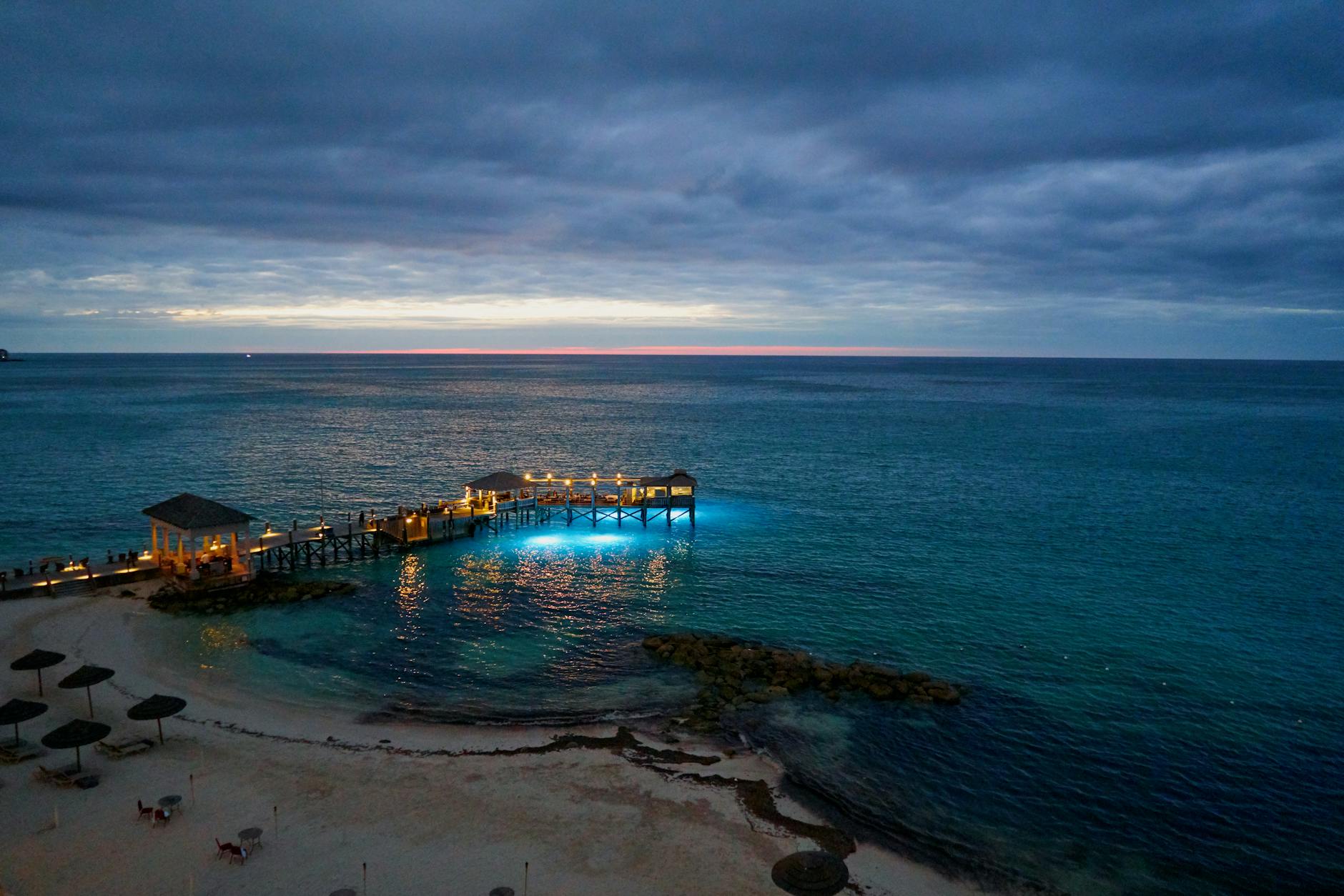
The best months to visit Nassau are November through April. These winter months deliver perfect weather with temperatures around 27°C (81°F). Humidity remains lower than summer months. Rain occurs less frequently. These months coincide with the Northern Hemisphere winter, attracting visitors escaping cold climates.
November through April brings peak season tourism. Hotels cost more and book faster. Beaches and attractions fill with visitors. Popular restaurants require advance reservations. This season includes the Junkanoo Festival on New Year's Day, featuring spectacular parades and celebrations.
May through October represents the wet season and hurricane season. Temperatures rise significantly, increasing heat and humidity. Rain showers occur daily but pass quickly. Hurricane season peaks August through October. Fewer tourists visit, reducing prices substantially. This season suits budget travelers tolerating weather trade-offs.
Hurricane preparedness matters for off-season travel. Modern building codes provide good protection. Most businesses close temporarily during direct hits. Travel insurance becomes essential. The island recovers quickly from storms. Most travelers choose peak season to avoid weather concerns entirely.
Peak Season (November To April)
- Best weather and sunshine
- Higher prices and larger crowds
- All attractions fully operational
- Perfect water temperatures for swimming
- Junkanoo Festival occurs January 1st
Off Season (May To October)
- Lower prices on hotels and food
- Fewer tourists overall
- Hotter, more humid conditions
- Daily afternoon rain showers
- Hurricane season risk (peaks August-October)
PRO TIP: Visit in April or early May for fewer crowds and better prices while still enjoying excellent weather. Hurricane risk remains low, and many travelers have already left.
Getting To Nassau
Lynden Pindling International Airport (NAS) serves as Nassau's primary entry point. Direct flights connect from major US cities including Miami, Fort Lauderdale, Atlanta, and New York. Flights from Canada serve Toronto and other cities. European flights sometimes require connections through US airports. Flight times from Miami are just 45 minutes. Most visitors fly direct, though connections through hub cities work fine.
Airport arrival procedures move smoothly for most visitors. Bahamian immigration processing typically takes 15 to 30 minutes. US citizens need valid passports. Most other nationalities need passports but no visas. Follow standard national tourism entry requirements. Collect baggage and proceed through customs afterward.
Transportation from the airport to Nassau requires planning. Licensed taxis operate from the taxi stand. Drivers display rates or use meters. Ride-sharing apps like Uber operate in Nassau. Rental cars are available from major companies. Hotel shuttles sometimes offer free or included transport.
Cruise ship arrivals deliver thousands of tourists weekly. Ships dock at Prince George Dock and other terminals downtown. Walking to downtown takes about 15 minutes. Tender boats transport passengers when ships anchor offshore. Cruise passengers enjoy easy beach and market access without transportation.
Inter-island ferries connect Nassau to nearby islands. Ferry services run to islands like Exuma and the Abacos. Travel times range from 30 minutes to two hours. Ferries operate daily with multiple daily departures. Book tickets at the ferry terminal downtown.
Airport To Nassau City Center
- Taxi: Fixed rate approximately $25, 20-30 minute ride
- Ride-sharing: Uber/Lyft available, prices vary by demand
- Rental Car: Multiple companies operate at the airport
- Hotel Shuttle: Check if your accommodation provides transport
- Walking: Not practical due to distance and busy roads
Frequently Asked Questions

Do I Need a Visa To Visit Nassau?
No, most nationalities do not need a visa for Nassau. The The Bahamas welcomes visitors from most countries visa-free. You must have a valid passport. Nassau follows The Bahamas national tourism entry requirements. Upon arrival, immigration officers may ask about your stay duration and accommodation plans. Stays under 30 days for tourism typically clear easily. Check your specific nationality's requirements before booking flights. The The Bahamas government website lists all visa requirements clearly. Having travel insurance remains recommended though not required.
What Is the Best Month To Visit Nassau for Weather?
December through March offers the best weather for Nassau visits. These months feature temperatures around 27°C with lower humidity. Rain occurs less frequently than other months. November, April, and early May also work well. These months avoid the hot, humid summer season. Hurricane season runs June through November. Most travelers choose the winter months for perfect conditions. Book accommodations early as these months book quickly. Off-season months offer better prices but more rain and heat.
Can I Do Scuba Diving in Nassau?
Yes, Nassau offers excellent scuba diving opportunities. The The Bahamas features world-class dive sites with healthy coral reefs. Diving works for beginners through advanced divers. Many resorts offer PADI certification courses. Dive shops rent equipment and organize group dives. Water temperature stays warm year-round. Visibility typically exceeds 100 feet. Popular dive sites include reefs, wrecks, and blue holes. Snorkeling works for non-divers wanting similar experiences. Multiple dive operators compete for business, ensuring good service and fair pricing.
Is Nassau Safe for Travelers?
Nassau is generally safe for tourists following common sense precautions. Most tourist areas have police presence and security. Stick to well-traveled areas and avoid displaying expensive items. Avoid walking alone late at night. Most visitors enjoy trouble-free stays. Crime targeting tourists remains rare. Hotel staff provide good local knowledge about safe areas. Travel during peak season when crowds provide natural safety. Stay aware of your surroundings like in any major city. Violent crime rarely affects tourists who exercise normal caution. The vast majority of visitors experience wonderful safe trips.
How Much Money Should I Budget for Nassau Daily?
Daily budgets for Nassau vary widely based on travel style. Budget travelers spend $50 to $80 daily on guesthouses, street food, and free activities. Mid-range travelers spend $150 to $300 daily on modest hotels and restaurant meals. Luxury travelers spend $400 to $1000 plus daily on high-end resorts and dining. Food costs range from $3 street meals to $50 restaurant entrees. Accommodation dominates most budgets. Free activities include beaches, markets, and walking tours. Water activity costs vary from $20 to $150 depending on the experience. Off-season travel reduces all costs substantially. Your final budget depends entirely on accommodation choices and dining preferences.