Local markets, shops and authentic experiences in Nassau
Last updated:
Nassau offers some of the Caribbean's best shopping experiences for travelers seeking authentic local goods. The capital of the The Bahamas features vibrant Nassau markets where you can find everything from fresh tropical fruits to handmade crafts. Whether you explore the bustling Straw Market or hunt for treasures in smaller neighborhood shops, Nassau delivers unique shopping opportunities. This guide reveals where to find the best Nassau markets, what to buy, and insider tips for savvy shoppers.
Best Markets in Nassau
✓Best forall travelers
The Straw Market stands as Nassau's most famous shopping destination. Located on Bay Street in downtown Nassau, this iconic market has operated for over 150 years. Local vendors sell everything from straw hats and bags to t-shirts and jewelry. The market buzzes with energy and activity throughout the day. Visitors enjoy haggling over prices and discovering one-of-a-kind souvenirs.
The main Straw Market building features covered stalls that provide shade and shelter. Hundreds of vendors fill the space with colorful displays. You'll find traditional Bahamian crafts alongside modern tourist items. The market accepts both Bahamian dollars and US dollars. Most vendors welcome negotiations on prices, especially if you purchase multiple items.
Fish Fry on Arawak Cay offers a completely different market experience. This waterfront area combines fresh seafood vendors with casual food-dining">dining. Local fishermen sell their daily catches here. You can purchase fresh conch, fish, and lobster for cooking. The atmosphere feels authentic and genuinely Bahamian. Evening visits bring crowds of locals enjoying fresh meals and drinks.
Potter's Cay, located under the Paradise Island Bridge, functions as a true working market. Fishermen and farmers sell directly to customers here. You'll find the freshest fish, conch, vegetables, and tropical fruits. Prices tend to be lower than tourist-oriented markets. The setting remains rustic and unchanged for generations. Photography enthusiasts love capturing the genuine local culture here.
PRO TIP:
Visit Nassau markets early in the morning for the best selection of fresh produce and least crowded conditions. Arrive by 8 AM at Fish Fry and Potter's Cay to see the day's catch displayed.
Local Food Markets in Nassau
Local Food Markets in Nassau
✓Best forfood lovershome cooksculinary explorers
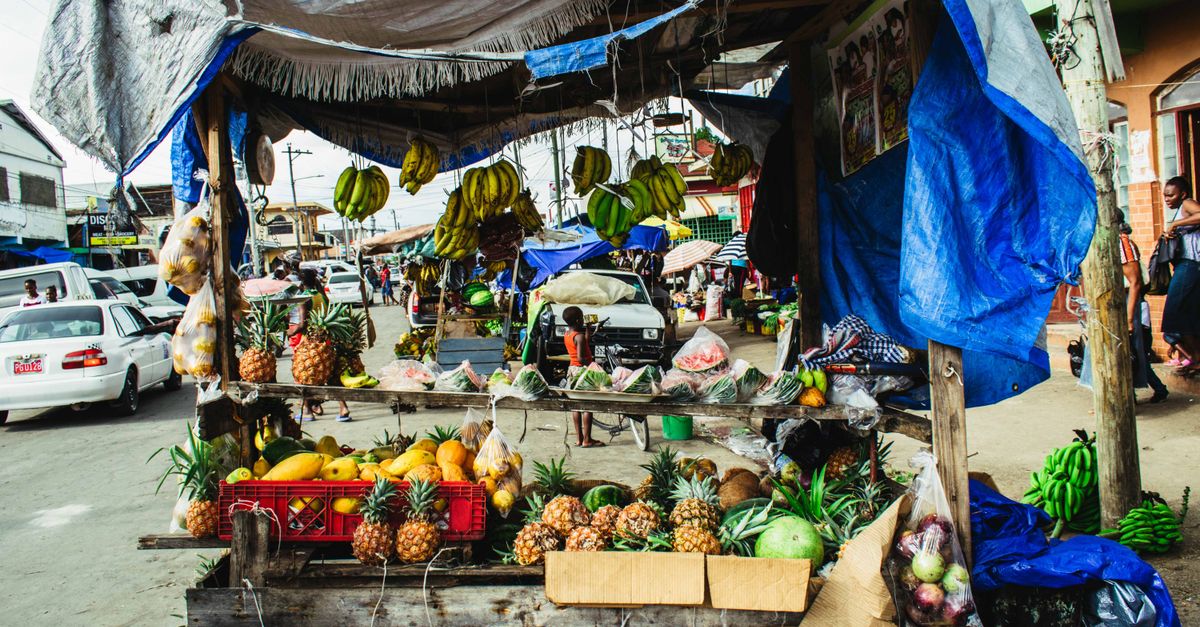
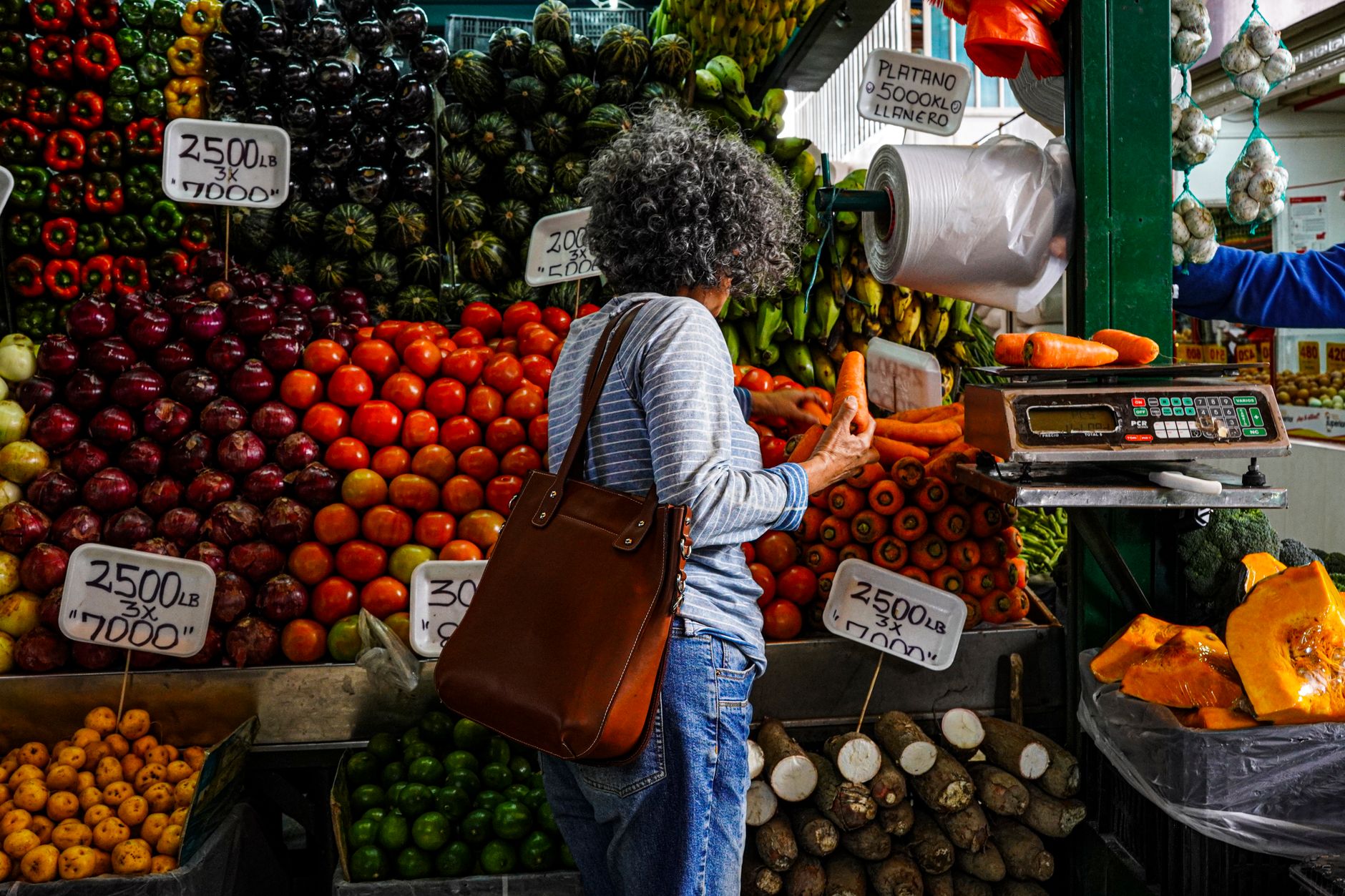
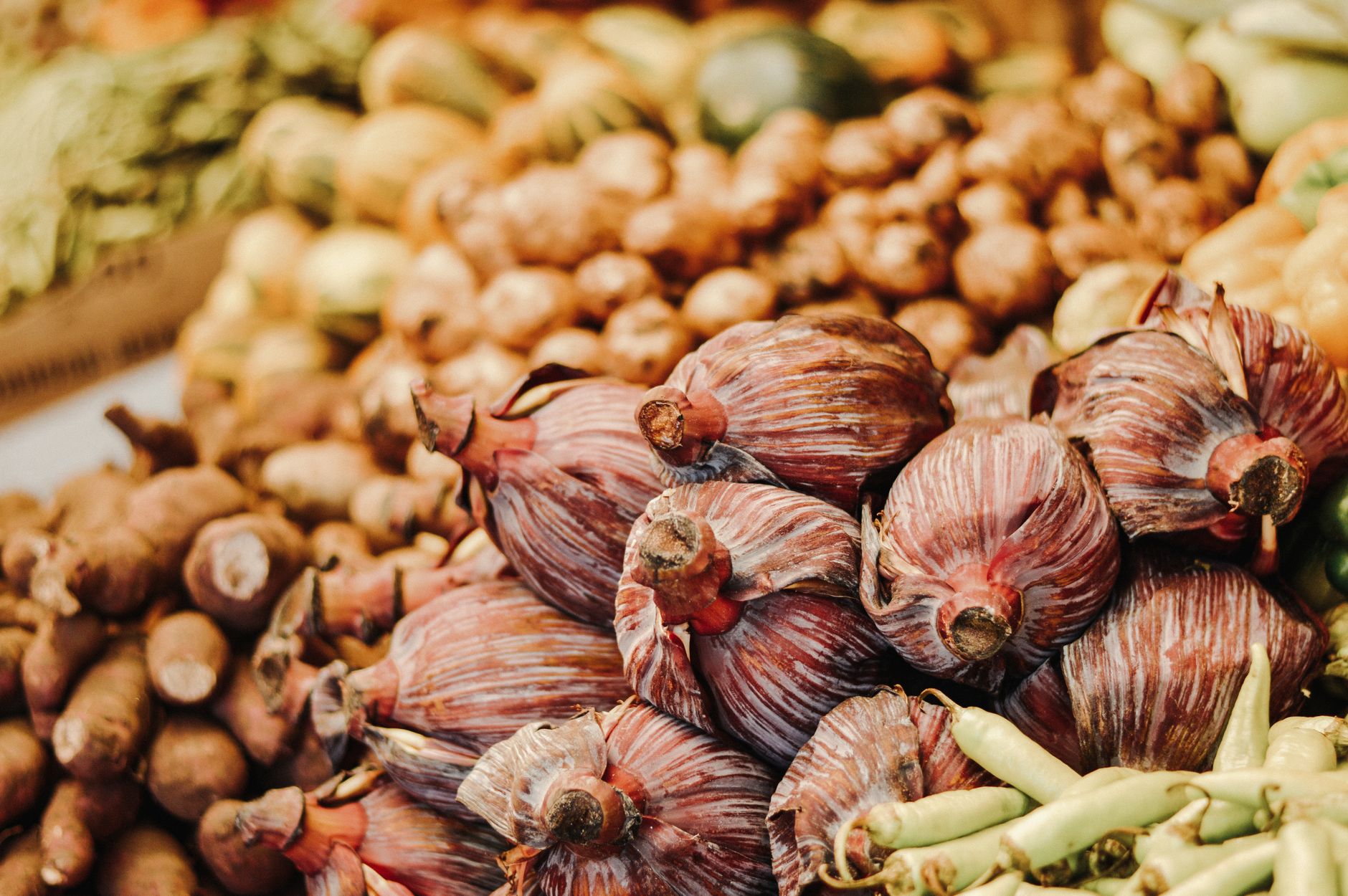
Nassau's food markets showcase the island's incredible agricultural abundance. You'll discover tropical fruits you've never seen before. Local farmers bring mangoes, papayas, coconuts, and passion fruit daily. Vegetable vendors offer fresh okra, tomatoes, peppers, and leafy greens. Herb sellers provide fresh basil, cilantro, and locally grown seasonings. These markets offer authentic ingredients for travelers wanting to cook Bahamian meals.
The Bahama Mama Farmers Market operates on select weekends downtown. Local farmers and producers gather to sell their goods directly. You'll find jams, honey, hot sauces, and baked goods alongside fresh produce. Small producers showcase artisanal products made in Nassau. Prices reflect fair trade practices and support local agriculture. This market feels more organized than traditional markets but retains authentic character.
Junkanoo Beach vendors sell grilled conch salad, cracked conch, and other local seafood specialties. While not a traditional market, these food stalls represent authentic local eating culture. Vendors prepare food fresh throughout the day. Prices remain very reasonable for prepared meals. The casual beachfront setting creates a relaxed dining and shopping atmosphere. Families enjoy both shopping and eating at these locations.
Nassau's craft scene produces beautiful handmade items representing Bahamian culture. Local artisans create straw work using traditional weaving techniques. Hats, baskets, placemats, and bags showcase hours of skilled craftsmanship. Prices vary based on size and complexity of the work. These authentic items make memorable gifts that last for years.
Junkanoo art celebrates Nassau's famous street festival tradition. Artists sell hand-painted masks, sculptures, and decorative pieces inspired by Junkanoo costumes. The vibrant colors and intricate designs reflect the celebration's energy. These items capture the essence of Bahamian culture. Galleries throughout Nassau showcase both traditional and contemporary Junkanoo-inspired artwork.
Shell crafts represent another popular Bahamian specialty. Local artisans create jewelry, decorations, and art using shells found in Bahamian waters. Necklaces, bracelets, and earrings feature sea stars, conchs, and other shells. Many items combine shells with locally made beads or metals. These creations connect travelers to the ocean and Nassau's island environment.
Wood carving artisans produce functional and decorative pieces from local wood. You'll find carved fish, masks, walking sticks, and religious figures. Skilled craftspeople spend weeks completing detailed pieces. Many carvers work in the Straw Market where you can watch them create. Prices reflect the time and skill invested in each work.
PRO TIP:
Ask artisans at the Straw Market about their work directly. Many craftspeople love sharing their techniques and stories. This creates meaningful connections and helps you understand the true value of handmade items.
Where To Buy Local Products
Where To Buy Local Products
✓Best forall travelers
Downtown Nassau shopping district offers numerous options beyond the Straw Market. Bay Street features both local shops and international brands. Smaller independent stores sell Bahamian products like rum, hot sauce, and coconut candy. These shops provide air-conditioned comfort and organized displays. Store owners often provide detailed product information and recommendations.
The Atlantis Resort shopping arcade carries premium Bahamian crafts and products. While prices run higher than street markets, quality and authenticity receive guarantee. Store staff provide expert knowledge about items for sale. This location works well for travelers seeking curated collections. The resort location offers convenience and security for visitors.
Arawak Cay, beyond Fish Fry restaurants, hosts vendor stalls selling local goods. You'll find t-shirts, hats, bags, and crafts from multiple vendors. Prices tend to be reasonable and negotiable. The setting remains casual and authentically Bahamian. This area offers a genuine shopping experience away from tourist-focused locations.
Small neighborhood shops throughout Nassau sell local products to residents. Exploring residential areas reveals authentic stores serving local communities. These shops offer products you won't find in tourist markets. Prices reflect local pricing, not tourist markups. Friendly shop owners often share recommendations about Nassau neighborhoods and culture.
Fruit and vegetable stands operate throughout the city in residential neighborhoods. Local farmers set up tables with fresh produce several days weekly. You'll find better prices than tourist markets and highest quality produce. Visiting neighborhood stands provides insight into daily Bahamian life. These locations change seasonally based on harvest times.
Shopping Hours and Tips
✓Best forall travelers
The Straw Market operates Monday through Saturday from 8 AM to 6 PM. Sunday hours run 9 AM to 5 PM. Hours may change seasonally or for local holidays. Arriving early provides the best selection and fewer crowds. Mid-afternoon shopping offers a compromise between crowds and full selection.
Fish Fry and Potter's Cay operate year-round but with variable hours. These markets come alive early morning when fishermen arrive with the night's catch. Activity peaks from dawn until about 2 PM. Evening visits around 5 PM bring locals buying dinner supplies and enjoying food. Weekends attract larger crowds than weekdays.
Most small shops operate Monday through Saturday, 9 AM to 5 PM. Some locations close for lunch between 12 and 2 PM. Downtown locations stay open later during tourist season. Sunday shopping options remain limited as many local businesses close. Planning shopping around these hours ensures shops remain open.
Bring small bills and change for street market purchases. Many vendors lack ability to break large bills. Bahamian dollars and US dollars receive equal acceptance. Credit cards work in larger stores but not at street markets. ATMs operate throughout downtown Nassau for currency exchange.
Wear comfortable walking shoes and bring sun protection. Straw Market and Fish Fry lack complete shade coverage. Markets operate outdoors or in open-air structures. Bring a light bag or backpack for purchases. Avoid carrying large amounts of cash or expensive items. Store valuables in hotel safes.
Bargaining occurs naturally at street markets but less so in shops. Vendors expect friendly negotiation at the Straw Market. Start by asking the best possible price. Purchasing multiple items justifies negotiation requests. Respectful haggling creates positive interactions with local vendors. Never be aggressive or demanding in price discussions.
What To Buy in Nassau
What To Buy in Nassau
✓Best forall travelers
Straw crafts represent the quintessential Nassau souvenir. Hand-woven straw hats, bags, and placemats showcase traditional Bahamian artistry. These items last for years when properly cared for. Prices range from reasonable for small items to substantial for large pieces. Straw work makes excellent gifts for people who appreciate handmade crafts.
Bahamian hot sauce and local seasonings bring island flavors home. Local producers create unique blends reflecting Bahamian cuisine. Popular varieties include spicy pepper sauce and milder seasoning mixes. Small bottles travel easily in luggage. These sauces enhance meals for months after returning home. Food gifts represent affordable, practical sovenirs.
Conch pearls and conch products hold special significance for Nassau visitors. The The Bahamas produces the world's most famous conch pearls. Jewelry featuring conch pearls commands premium prices. Conch shell decorations and smaller conch pearl items offer affordable options. These purchases directly support local diving and pearl harvesting communities.
Junkanoo festival artwork and decorations capture Nassau's vibrant culture. Painted masks, miniature costumes, and festival prints make unique souvenirs. These items remind travelers of the famous street celebration. Artists create new pieces yearly, ensuring unique designs. Supporting Junkanoo artists helps preserve this important cultural tradition.
Rum products showcase Bahamian distilling heritage. Local rum brands make excellent gifts for spirit enthusiasts. Unique flavors reflect tropical fruits and island ingredients. Bottles travel well in checked luggage with proper wrapping. Rum represents an iconic Bahamian product recognized worldwide.
Coconut products including candy, oil, and bread offer sweet souvenirs. Local bakeries produce traditional coconut bread throughout Nassau. Coconut candy appears in many flavors and styles. These items travel well and provide tasty reminders of Nassau. Gift baskets filled with coconut products make excellent presents.
Bahamian music CDs and recordings celebrate the island's musical traditions. Local musicians sell recordings at markets and shops. Junkanoo music, reggae, and traditional Bahamian songs preserve cultural heritage. Supporting local musicians through purchases helps sustain the arts community.
PRO TIP:
Purchase locally made items directly from artisans when possible. You support creators fairly and receive authentic stories about each piece. Many vendors offer discounts when you explain their work's importance to you.
Frequently Asked Questions
Are Nassau Markets Safe for Visitors?
Nassau markets are generally safe during daytime hours, particularly the popular Straw Market and Fish Fry. Thousands of tourists visit these locations daily without incident. Stay aware of surroundings and avoid displaying expensive items or large amounts of cash. Visit markets with companions when possible. Avoid visiting remote market areas after dark. The Nassau Police Force maintains regular patrols in tourist shopping areas. Following basic safety practices ensures enjoyable shopping experiences at all markets.
What Payment Methods Work at Nassau Markets?
Cash in both Bahamian dollars and US dollars works everywhere at street markets and small vendors. Credit cards function in larger stores, resorts, and established businesses downtown. Street vendors and market stalls rarely accept credit cards or digital payments. ATMs operate throughout downtown Nassau for cash withdrawals. US currency exchanges readily at markets without fees. Most vendors accept either currency equally without preference or penalty. Carrying a mix of small bills facilitates easier transactions with multiple vendors throughout your shopping day.
What Are Typical Nassau Market Prices and Is Haggling Expected?
Prices at the Straw Market are typically higher than neighborhood markets since these vendors primarily serve tourists. Small crafts start around five to ten dollars, while larger items cost thirty dollars or more. Fish Fry and Potter's Cay offer food at reasonable prices reflecting local costs. Haggling is expected and accepted at the Straw Market but less common in shops. Vendors expect friendly negotiation as part of market culture. Start negotiations at seventy to eighty percent of asking prices. Respectful bargaining creates positive interactions and fair prices for both parties.
When Should I Visit Nassau Markets for the Best Experience?
November through April offers the best weather and busiest market activity. Visit early morning between 7 and 9 AM for freshest produce and smallest crowds. Weekdays attract fewer tourists than weekends at most locations. Avoid midday heat by shopping in early morning or late afternoon. Fish Fry bustles with activity in evenings around 5 to 7 PM when locals arrive for dinner. Sunday operates with limited hours at most markets, making other days preferable. Planning around these timing considerations ensures optimal shopping experiences.
How Do I Get To Nassau Markets From the Airport?
Lynden Pindling International Airport sits about six miles from downtown Nassau markets. Taxi service from the airport costs between fifteen and twenty-five dollars to downtown. Rental car options work for independent travelers comfortable with local driving. Nassau taxi services pre-arrange pickups through your hotel. The ride takes approximately fifteen to twenty minutes depending on traffic. Downtown parking near markets can be challenging during peak hours. Many hotels offer shuttle services to shopping areas for reasonable fees or included in packages.