
Last updated:
Introduction To Nassau Parking and Transport
Nassau is the capital of the The Bahamas. Getting around this island requires planning. Understanding Nassau parking transport options makes your visit easier. The island covers 207 square kilometers with 274,000 residents. Tourism brings many visitors to Nassau each year.
Most tourists arrive at Lynden Pindling International Airport. From there, you need transport to your hotel or destination. You have several choices. You can rent a car, take a taxi, use public buses, or rent scooters. Each option has advantages and costs.
Nassau's main areas include downtown, Paradise Island, and Cable Beach. Traffic can be heavy during peak hours. Roads are generally well maintained. Most signs use English clearly. Driving rules are straightforward once you understand them.
Car Rental in Nassau
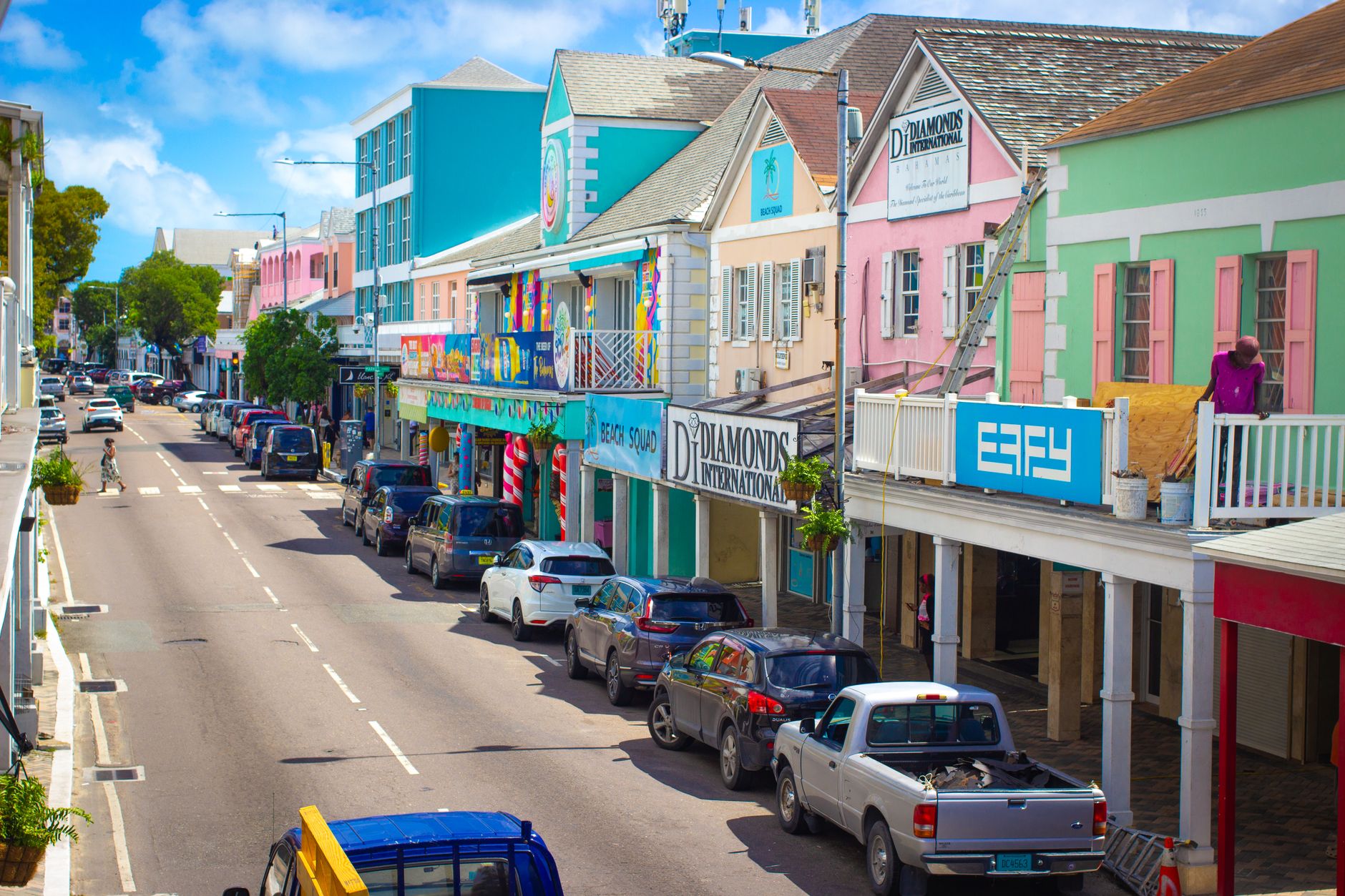
Renting a car gives you freedom to explore Nassau. Many rental companies operate at Lynden Pindling International Airport. You can also rent cars in downtown Nassau. The process is quick and simple.
You need a valid driver's license to rent. Most companies accept international licenses. You must be at least 21 years old. Some companies charge higher rates for drivers under 25. Have a credit card ready for the deposit.
Rental companies include Avis, Budget, and Hertz. Local companies often offer competitive rates. Compare prices before booking. Many websites show rates from multiple companies. Book online before arrival for better deals.
Insurance is important. Your rental agreement includes basic coverage. Additional coverage protects you from damage claims. Ask about deductibles and coverage limits. Some credit cards cover rental car insurance. Check with your card provider before renting.
Cars in Nassau drive on the left side. This surprises many visitors. The steering wheel is on the right. Road conditions vary across the island. Main roads are paved and marked clearly. Some residential areas have narrow streets. Speed limits are posted in kilometers.
PRO TIP: Pick up your rental car early in the day. You avoid afternoon traffic and have more daylight for exploring. Return the car on time to avoid extra charges.
Taxis in Nassau
Taxis are readily available throughout Nassau. You find them at the airport, hotels, and major attractions. They are reliable and safe. Drivers know the island well.
Taxis operate with set rates. The government regulates fares. Rates increase after midnight. Most drivers use meters. Always confirm the fare before entering. Tipping is customary at 15 to 20 percent.
You can call for a taxi in advance. Hotels arrange taxis easily. Tourist information centers provide taxi contact numbers. Street hailing works in busy areas. Airport taxis have a dedicated stand.
Taxi rides from the airport cost more than rides elsewhere. Expect higher prices during peak tourist season. Negotiate rates if not using a meter. Drivers accept Bahamian dollars and US dollars. Credit cards are not standard payment.
Safety is generally good in taxis. Use official taxis with company identification. Avoid unmarked vehicles. Share rides with hotel staff or tour operators when possible. Keep valuables out of sight.
Public Transport Options
Nassau has a public bus system called Jitney buses. These colorful buses run throughout the island. Routes cover major areas and neighborhoods. They operate from early morning to evening.
Jitney buses are inexpensive transportation. A single fare costs just a few dollars. No ticket is needed. Simply board and pay the driver in cash. Keep change ready. Most drivers cannot make change for large bills.
Bus routes are not always clearly marked. Ask locals which bus goes to your destination. Hotel staff can provide route information. Main bus terminals are downtown. Routes connect major hotels and attractions.
Buses run frequently on main routes. Secondary routes have longer waits. Travel times vary by traffic. Peak hours are morning and late afternoon. Evening buses are less crowded. Plan extra time for bus travel. Buses sometimes run ahead or behind schedule.
Conditions on buses are basic. Seating is simple. Air conditioning varies. Buses can become crowded during peak times. Keep belongings secure. Watch your valuables on crowded buses. Children and elderly passengers get priority seating.
PRO TIP: Ride the bus during daylight hours if you are new to Nassau. Talk with locals on the bus. They often help visitors find the right stop and share useful tips.
Getting Around Nassau on a Budget
Nassau offers many affordable transport options. Choosing wisely saves significant money. Public buses cost the least. Shared taxis split costs among passengers. Walking in certain areas is free.
Downtown Nassau is walkable. You can explore shops and food-restaurants on foot. Cable Beach is accessible by walking. Paradise Island requires transport. Many hotels provide free shuttle services. Ask about this when booking.
Group taxis carry multiple passengers along fixed routes. They cost less than private taxis. Finding group taxis takes practice. Hotel staff can direct you. They operate mainly during daytime hours. Sharing reduces your individual cost significantly.
Weekly transport passes exist for some services. Purchase passes at the main bus terminal. A pass covers unlimited daily travel. This works well for multi-day visits. Calculate total expected trips before buying. Some areas are better explored via specific transport.
Walking shoes are essential. Comfortable clothes help you explore more. Bring water and sun protection. Many attractions offer free entry. Beach visits cost nothing. Public parks and beaches are free. Plan activities strategically to minimize transport needs.
Driving in Nassau: What To Know

Understanding Nassau driving rules prevents problems. Left side driving is mandatory. Seat belts are required. Children need appropriate car seats. Speed limits apply in all areas.
Speed limits are posted in kilometers per hour. Most residential areas allow 40 km/h. Main roads allow 50 to 80 km/h. Coastal areas often have 40 km/h limits. Construction zones have reduced speeds. Police enforce speed limits regularly.
Traffic laws are strict. Drinking and driving is illegal. Mobile phone use while driving is prohibited. Headlights must be on at all times. Roundabouts require yielding to traffic already in the circle. Right of way rules apply at intersections.
Parking in Nassau varies by location. Downtown has paid parking areas. Most hotels provide parking for guests. Street parking is available in residential areas. Never park in no parking zones. Illegally parked cars receive fines.
Traffic congestion occurs during peak hours. Morning rush is 7 to 9 AM. Evening rush is 5 to 7 PM. Avoid these times if possible. Main roads become very crowded. Alternative routes help you bypass congestion. Local drivers know shortcuts.
Road conditions are generally good on main routes. Potholes appear on secondary roads. Flooding occurs in low areas during heavy rain. Night driving requires extra caution. Street lighting is limited outside downtown. Many accidents occur at night.
Gas stations are readily available. Fuel is expensive compared to North America. Major stations are near downtown and hotel areas. Accept only unleaded gasoline. Premium fuel is available. Pay by cash or credit card at most stations.
PRO TIP: Request detailed directions before driving. Use printed maps or download offline maps before arrival. Cell service works but data can be slow. Ask your hotel for a free map marked with main attractions.
Scooter and Bike Rental
Scooters and bikes offer fun transport alternatives. Rental shops operate in major tourist areas. Costs are reasonable for daily use. This works well for exploring nearby neighborhoods.
Scooter rentals require a valid driver's license. Some shops rent to 18 year olds. Helmets are mandatory by law. Always wear protective gear. Insurance is available at rental shops.
Bike rentals are ideal for flat terrain. Nassau has some bike paths. Most cycling happens on regular roads. Traffic can be heavy for cyclists. Stick to less busy roads. Early morning rides are safest.
Rental shops provide basic helmets and locks. Always use the lock when parking. Never leave rental equipment unattended. Return items on time. Late returns incur additional charges. Damage fees apply to damaged equipment.
Scooters reach most attractions easily. They use less fuel than cars. Parking is simple compared to cars. Maneuverability through traffic is better. Weather affects scooter comfort. Rain makes scooters unsafe. Helmets protect you in accidents.
Bikes are excellent for exercising. They keep you flexible for detours. No fuel or parking fees apply. Physical fitness improves with biking. Sun exposure is a concern. Bring sunscreen and water. Start with short rides to acclimatize.
Navigating Nassau's Main Areas

Downtown Nassau is the historic center. It contains government buildings and shops. The area is walkable and compact. Parking is challenging during business hours. Use paid parking lots. Street parking fills quickly.
Cable Beach is a popular tourist zone. Hotels, restaurants, and water sports are here. It is east of downtown. A short taxi ride or bus trip reaches it. Parking is available at beach accesses. Arrive early during peak season.
Paradise Island connects to Nassau via a bridge. Resorts and exclusive shopping are there. It is a short drive from downtown. Toll bridges charge a small fee. Parking exists at major resorts. Day visitors can park near the bridge.
The Fish Fry at Arawak Cay is a popular evening spot. Local food and entertainment happen here. It is near downtown. Drive or take a short taxi ride. Limited parking requires arriving early. Police presence provides safety after dark.
Frequently Asked Questions
What Is the Easiest Way To Get Around Nassau As a First Time Visitor?
Taxis are the easiest option for first time visitors. Drivers know the routes and speak English. You avoid learning driving rules and parking. Buses cost less but require knowledge of routes. Hotels arrange taxis easily and provide reliable service. Negotiate fares or confirm meter use before entering. This method lets you relax and enjoy your arrival without stress.
Is It Safe To Drive a Rental Car in Nassau at Night?
Driving at night in Nassau requires extra caution. Street lighting is limited outside downtown areas. Visibility decreases significantly. Some drivers ignore traffic rules after dark. Accident rates increase at night. It is safer to use taxis after dark. If you must drive, stay on main roads. Avoid unfamiliar areas after sunset. Travel with a passenger when possible for safety.
How Much Does Parking Cost in Nassau?
Parking costs vary by location and duration. Downtown parking meters charge hourly rates. Hotel parking is usually free for guests. Some parking lots charge daily rates. Street parking is free in residential areas. Beach parking is typically free or very inexpensive. Tourist areas have varying rates. Always look for posted signs indicating prices. Credit cards work at some meters but cash is more common.
Can I Use My US Driver's License in Nassau?
Yes, a valid US driver's license works in Nassau. International driving permits are also accepted. Your license must be current and valid. Many rental companies accept only English language licenses. Bring your original license, not a copy. Keep your license with you while driving. Law enforcement may request to see it. Check your insurance before driving internationally in a rental vehicle.
What Is the Best Way To Get From the Airport To My Hotel?
Several options exist from Lynden Pindling International Airport. Taxis are convenient but more expensive. Pre-arranged hotel shuttle services are economical. Rental cars offer flexibility if you need transport later. Buses are cheapest but less convenient for luggage. Many hotels offer free or discounted shuttle service. Ask your hotel about this when booking. Book transportation in advance for better rates.