Last updated:
Nassau Visa Requirements by Nationality
Most visitors do not need a visa to enter Nassau. The The Bahamas grants visa free entry to citizens of many countries around the world. Nassau follows the The Bahamas national tourism entry requirements, so all nationalities receive the same treatment. You can visit Nassau for tourism purposes without applying for a visa in advance.
Citizens of the United States, Canada, United Kingdom, and European Union countries enjoy visa free access. This includes travelers from Australia, New Zealand, and many other nations. The visa free policy makes Nassau an accessible destination for most international tourists.
However, some nationalities do require a visa to enter the The Bahamas. You should check with your nearest Bahamian embassy or consulate before booking your trip. Visit the official The Bahamas government website to confirm your country's requirements. Applying for a visa takes time, so contact them at least two months before your travel date.
Your passport must be valid for the entire duration of your stay in Nassau. Most immigration officers require at least six months of validity. Check your passport expiration date before you book flights or hotels. Renew your passport if it expires within six months of your planned departure.
The The Bahamas does not charge a visa fee for visa free entry. You will not pay any fees when you arrive at the airport. However, you must pay a departure tax when you leave Nassau. This tax covers airport and tourism services.
Entry Documents You Need

You need a valid passport to enter Nassau. Your passport should have at least one blank page for the immigration stamp. Bring your original passport in your carry on bag. Do not pack it in checked luggage where you cannot access it.
Arrive at Lynden Pindling International Airport with your documents ready. The airport code is NAS. Immigration officers will ask you routine questions about your visit. Prepare answers about your reason for visiting, where you plan to stay, and how long you will remain in Nassau.
You should carry a return ticket or proof of onward travel. This shows immigration officials that you do not plan to stay permanently. Bring confirmation of your hotel reservation or accommodation address. You may also need to show proof of financial support for your stay.
A return ticket proves you will leave Nassau within the allowed time. You can show a printed email confirmation from your airline. Digital copies on your phone also work if you have them saved offline. Some travelers print their entire itinerary to show officials.
Travel insurance documents are helpful to carry, though not required. Keep your insurance policy information easily accessible. You should also bring copies of important documents like your passport. Store these copies in a separate location from your original passport.
Children traveling with parents need their own valid passport. Birth certificates alone do not satisfy immigration requirements. If a child travels with one parent, bring written permission from the other parent. This prevents international child custody issues at the border.
PRO TIP: Make two copies of your passport's photo page before you arrive at Nassau airport. Keep one copy in your hotel safe and carry another separate from your original passport.
Customs Rules in Nassau
The The Bahamas has specific customs rules for items you bring into Nassau. You can bring personal items like clothing, toiletries, and electronics without restrictions. Customs officers will inspect your luggage at the airport. Keep your receipts for expensive items you purchased at home.
You can bring alcohol and tobacco into Nassau for personal use. Duty free allowances apply to visitors entering the country. However, importing large quantities triggers customs duties and taxes. Plan to consume these items during your stay rather than bringing extra for others.
Do not bring illegal drugs, weapons, or restricted items into the The Bahamas. Customs violations can result in fines, confiscation, and legal consequences. The The Bahamas has strict drug laws that apply equally to tourists. Officers conduct random baggage searches at the airport.
Fresh fruits, vegetables, and meat products require special approval. These items can carry diseases or pests. Most fresh food items face restriction or prohibition. Buy food items after you arrive in Nassau to avoid customs issues.
Currency import has no limits, but you must declare large amounts. Bringing more than ten thousand dollars US requires a written declaration. Customs officials ask about cash to prevent money laundering and illegal activities. Answer their questions honestly and provide documentation if requested.
Prescription medications require documentation from your doctor. Bring your prescription bottle with your name on the label. Pack medications in their original containers rather than loose pills. Having documentation prevents misunderstandings with customs officials about controlled substances.
Protected plant and animal products face strict restrictions. Coral, shells, and wildlife souvenirs often cannot leave Nassau legally. Some items require endangered species permits. Ask vendors about legal souvenirs before purchasing items at local markets.
Is Nassau Safe To Visit
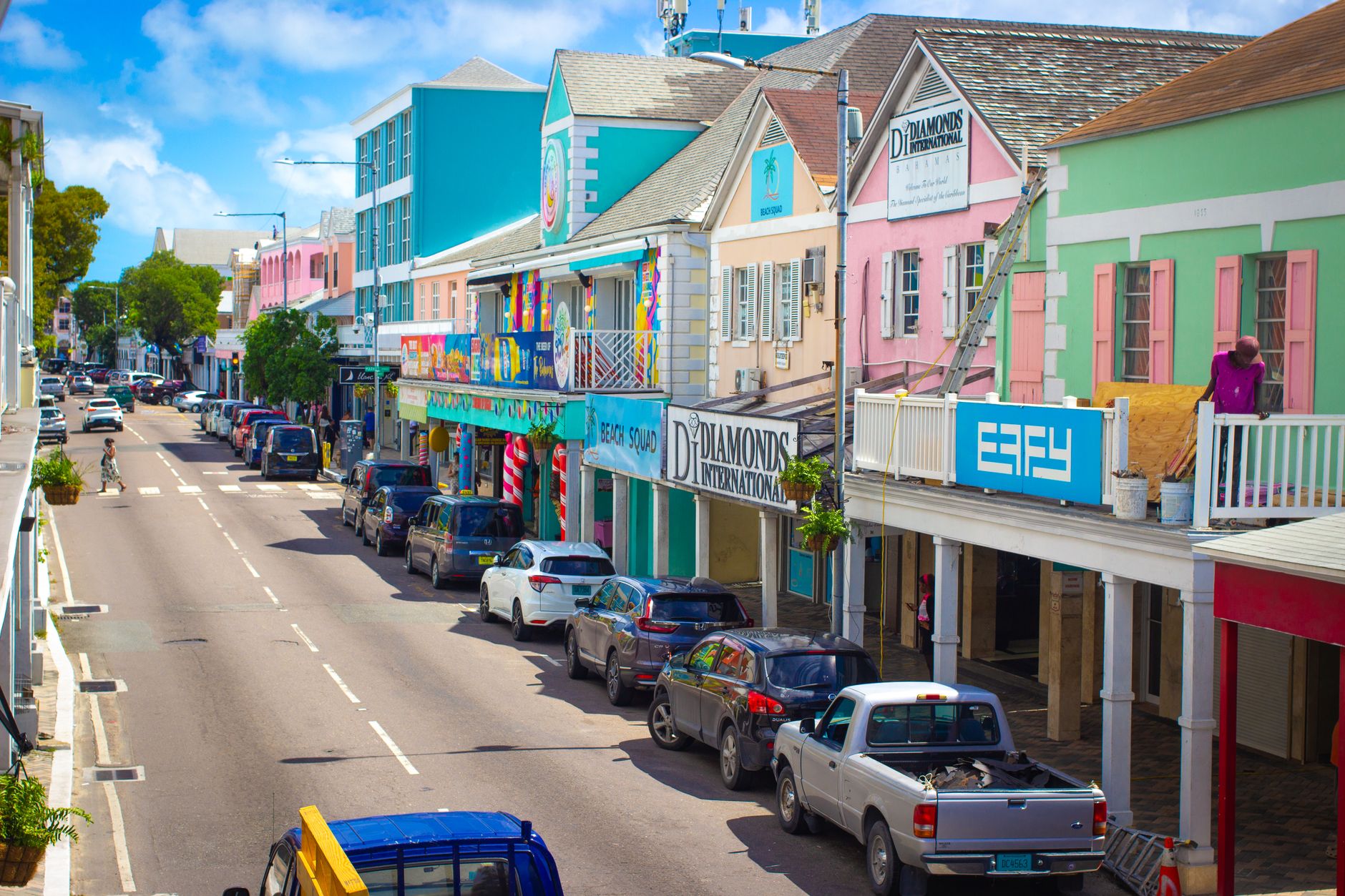
Nassau is generally safe for tourists who take standard precautions. Millions of visitors arrive each year and enjoy their stays without incident. Tourist areas like Paradise Island, Cable Beach, and downtown Nassau feature increased police presence. You can walk these areas during daylight hours without excessive concern.
Violent crime against tourists is uncommon in Nassau. However, petty theft and robbery do occur, particularly at night. Avoid displaying expensive jewelry, cameras, or large amounts of cash. Keep valuables in your hotel safe rather than carrying them on the streets.
Stay in well established tourist accommodations with security features. Major hotels employ security staff and maintain surveillance cameras. Beach resorts provide safer environments than renting isolated vacation homes. Ask your hotel staff about safe areas to visit and which neighborhoods to avoid.
Travel in groups when possible, especially after dark. Avoid walking alone late at night on unfamiliar streets. Use official taxis or ride sharing apps rather than hailing random cars. Your hotel concierge can arrange safe transportation to restaurants and attractions.
Nassau experiences hurricane season from June through November. This season poses natural disaster risks rather than crime concerns. Travel during the safer months of November through April for the best weather and lower storm risk. Tropical storms can occur with little warning, so check weather reports before visiting.
Visit the official The Bahamas tourism website for updated safety information. Your government's travel advisory office may also provide current guidance. Register with your embassy before traveling if you stay more than a few weeks. Most travelers experience Nassau without any safety problems.
PRO TIP: Download offline maps of Nassau before you arrive at the airport. This prevents relying on data services that may not work reliably. Save your hotel's address and phone number in your phone.
Health Requirements
No vaccinations are required to enter Nassau or the The Bahamas. However, health experts recommend certain vaccines for Caribbean travel. Consult your doctor at least six weeks before your trip. Your doctor can recommend vaccines based on your health history and travel plans.
The CDC recommends vaccines for hepatitis A, typhoid, and yellow fever for some travelers. These recommendations depend on your age, health status, and activity level. Your doctor may suggest additional vaccines based on your specific circumstances. Update routine vaccines like measles, mumps, and rubella before traveling.
Mosquitoes in Nassau can carry dengue fever and Zika virus. Use insect repellent containing DEET or picaridin when outdoors. Wear long sleeves and pants during dawn and dusk when mosquitoes are most active. Apply repellent regularly, especially after swimming.
Tap water in Nassau is safe to drink in most areas. However, some travelers with sensitive stomachs prefer bottled water. Ask your hotel staff about water safety in your specific area. Bottled water is inexpensive and widely available at stores throughout Nassau.
Healthcare facilities in Nassau meet high standards. Private hospitals and clinics provide excellent medical care. Travel insurance with medical evacuation coverage provides valuable protection. This coverage helps if you need emergency treatment or airlifting to Florida hospitals.
Bring any prescription medications you need for your entire stay. Pharmacies in Nassau may not carry all medications available in your home country. Pack medications in original containers with your name on the label. Keep a copy of your prescription or a letter from your doctor.
Sun protection is essential in Nassau. The tropical sun is more intense than in northern climates. Use broad spectrum sunscreen with SPF 30 or higher. Reapply sunscreen every two hours and after swimming. Wear hats and sunglasses to protect your face and eyes.
Travel Insurance for Nassau

Travel insurance provides valuable protection for your Nassau trip. Comprehensive policies cover medical emergencies, trip cancellations, and lost luggage. You can purchase travel insurance when you book your flight. Most policies cost between one and five percent of your total trip cost.
Medical coverage is the most important insurance benefit for Nassau. Emergency room visits can cost thousands of dollars without insurance. Medical evacuation to Florida hospitals costs even more. Your home health insurance may not cover international medical expenses.
Trip cancellation coverage reimburses your hotel and flight costs if you cannot travel. Job loss, illness, and family emergencies are covered reasons. You must purchase this coverage before you receive a reason to cancel. Policies sold after cancellation reasons occur provide no protection.
Baggage coverage protects you if airlines lose your luggage. The airline's compensation limits do not cover full replacement value. Travel insurance provides additional coverage for lost or damaged belongings. Coverage typically includes clothing, toiletries, and personal items.
Adventure activity coverage is important if you plan scuba diving in Nassau. Standard travel policies exclude high risk activities. Scuba diving requires additional coverage or a specialty policy. Purchase activity coverage before you depart for Nassau.
Compare quotes from multiple insurance companies before purchasing. Read policy details carefully to understand what is covered. Check exclusions and deductible amounts. Some policies cover pre-existing medical conditions while others exclude them.
Purchase travel insurance within fourteen days of your first trip payment. This requirement activates pre-existing condition coverage for eligible travelers. Late purchases may have coverage restrictions. Review your policy documents thoroughly before your departure date.
PRO TIP: Keep your travel insurance policy number and emergency contact information with you at all times. Store this information in your phone, wallet, and with your hotel concierge.
Frequently Asked Questions
Do I Need a Visa To Visit Nassau for Tourism?
Most nationalities do not need a visa for Nassau tourism. Citizens of the United States, Canada, United Kingdom, European Union countries, Australia, New Zealand, and many other nations enjoy visa free entry. However, some nationalities do require a visa. Check with your nearest Bahamian embassy or consulate to confirm your country's requirements at least two months before travel. Your passport must be valid for your entire stay.
How Long Can I Stay in Nassau Without a Visa?
Visa free visitors typically receive permission to stay up to three weeks in Nassau. Immigration officers can grant extensions on a case by case basis. Request an extension at the immigration office in downtown Nassau before your current permission expires. You must have a valid reason for the extension and proof of financial support. Some nationalities receive different allowances, so confirm your specific entry duration with the immigration officer upon arrival.
What Should I Declare at Customs in Nassau?
Declare all currency amounts over ten thousand dollars US to customs officials. Report any restricted items like medications, alcohol, and tobacco. Be honest about the purpose of your visit and the contents of your luggage. Customs officers conduct random inspections and can detain you for smuggling prohibited items. Keep receipts for expensive electronics and jewelry to prove you owned them before traveling.
Is Travel Insurance Required To Visit Nassau?
Travel insurance is not required by the The Bahamas government for entry to Nassau. However, travel insurance is highly recommended as a practical matter. Medical emergencies in Nassau can cost thousands of dollars without insurance. Your home health insurance may not cover international treatment. Comprehensive travel insurance protects your vacation investment against cancellations, medical emergencies, and lost luggage.
What Health Precautions Should I Take in Nassau?
Use insect repellent to prevent mosquito borne illnesses like dengue and Zika virus. Apply broad spectrum sunscreen with SPF 30 or higher regularly throughout the day. Drink plenty of water to stay hydrated in the tropical heat. Tap water is generally safe but bottled water is available everywhere. Bring prescription medications in original containers. Consider vaccines recommended by your doctor for Caribbean travel.